


- 当前位置:首页 > >Merck Millipore > 生命科学研究
- 生命科学研究

- 产品介绍
重要规格表
品种反应性 主要应用 宿主 格式 抗体类型 R, H, M WB Rb Purified Polyclonal Antibody 描述 产品目录编号 AB10605 品牌系列 Chemicon®
商名 - Chemicon
描述 Anti-ANGPTL4 (MID) Antibody 背景信息 ANGPTL4 (angiopoietin-like protein 4, hepatic fibrinogen/angiopoietin-related protein (HFARP), fasting-induced adipose factor (FIAF), PPARγ angiopoietin-related protein (PGAR)) is a secreted protein selectively expressed in adipose tissue, liver, and placent, that plays a variety of roles in vivo, ranging from adipogenesis to angiogenesis to carcinogenesis. Several transcription factors exert influence on ANGPTL4 transcription, including PPARα, PPARγ, and HIF 1α. PPARα and HIF 1α synergistically cause the activation of ANGPTL4 in cardiomyocytes; induction of ANGPTL4 in the heart inhibits lipoprotein-derived fatty acid delivery. As a transcriptional target of PPARγ, ANGPTL4 has been hypothesized to play a role in adipogenesis, insulin sensitivity, and energy metabolism. The expression of ANGPTL4 is also under nutritional and hormonal control. During fasting conditions, transcription of ANGPTL4 in both liver and adipose tissue is induced independently of PPARα1 While circulating levels of ANGPTL4 are increased in genetically obese mice, rodents fed a highfat diet demonstrate reduced circulating ANGPTL4 levels, suggesting that ANGPTL4 may be involved in response to the availability of nutrients. In endothelial cells, ANGPTL4 mRNA and protein levels increase in response to hypoxia. ANGPTL4 has been observed to induce a strong pro-angiogenic response independent of vascular endothelial growth factor (VEGF), and its expression has been described in hypoxic human tissues as well as a variety of cancers, including liposarcoma, hepatocellular carcinoma, and conventional renal cell carcinoma. Taken together, these findings suggest that ANGPTL4 may be involved in the mechanisms that compensate for ischemia by angiogenesis. 产品信息 格式 Purified 演示 400 μL aliquot at a concentration of 0.25 mg/mL in phosphate buffered saline (pH 7.4) containing 0.1% sodium azide. 应用 应用 Anti-ANGPTL4 (MID) Antibody is an antibody against ANGPTL4 (MID) for use in WB. 主要应用 - Western Blotting
应用说明 Western Blotting: 1-3 μg/mL 生物信息 免疫原品种 Synthetic peptide derived from an internal region of the human ANGTPL4 protein, which differs from rat and mouse by one and two conservative amino acid replacements, respectively. 克隆 ZMD.521 宿主 Rabbit 特异性 Recognizes ANGPTL4 (MID). 品种反应性 RatHumanMouse Species Reactivity Note Human, Mouse, Rat (positive controls: HepG2 and NGP96 cell lysates, mouse placenta and rat liver homogenates, serum-stimulated mouse 3T3-L1 embryo fibroblast lysates, and 2 week-old mouse brain homogenates). 抗体类型 Polyclonal Antibody Entrez基因编号 - NM_139314.1
- NM_001039667.1
Entrez基因汇总 This gene is a member of the angiopoietin/angiopoietin-like gene family and encodes a glycosylated, secreted protein with a fibrinogen C-terminal domain. This gene is induced under hypoxic conditions in endothelial cells and is the target of peroxisome proliferation activators. The encoded protein is a serum hormone directly involved in regulating glucose homeostasis, lipid metabolism, and insulin sensitivity and also acts as an apoptosis survival factor for vascular endothelial cells. The encoded protein may play a role in several cancers and it also has been shown to prevent the metastatic process by inhibiting vascular activity as well as tumor cell motility and invasiveness. Decreased expression of this protein has been associated with type 2 diabetes. Alternatively spliced transcript variants encoding different isoforms have been described. This gene was previously referred to as ANGPTL2 but has been renamed ANGPTL4. 基因符号 - FIAF
- ANGPTL4
- UNQ171/PRO197
- HFARP
- ANGPTL2
- PSEC0166
- PGAR
- NL2
- pp1158
- ARP4
纯化方法 Immunoaffinity purified UniProt编号 - Q9BY76
UniProt汇总 FUNCTION: SwissProt: Q9BY76 # Protein with hypoxia-induced expression in endothelial cells. May act as a regulator of angiogenesis and modulate tumorgenesis. Inhibits proliferation, migration, and tubule formation of endothelial cells and reduces vascular leakage. May exert a protective function on endothelial cells through an endocrine action. It is directly involved in regulating glucose homeostasis, lipid metabolism, and insulin sensitivity. In response to hypoxia, the unprocessed form of the protein accumulates in the subendothelial extracellular matrix (ECM). The matrix-associated and immobilized unprocessed form limits the formation of actin stress fibers and focal contacts in the adhering endothelial cells and inhibits their adhesion. It also decreases motility of endothelial cells and inhibits the sprouting and tube formation (By similarity).
SIZE: 406 amino acids; 45214 Da
SUBUNIT: Homooligomer. The homooligomer undergoes proteolytic processing to release its carboxyl fibrinogen-like domain, which circulates as a monomer. The homooligomer unprocessed form is able to interact with the extracellular matrix (By similarity).
SUBCELLULAR LOCATION: Secreted. Secreted, extracellular space, extracellular matrix (By similarity). Note=The unprocessed form interacts with the extracellular matrix. This may constitute a dynamic reservoir, a regulatory mechanism of the bioavailability of ANGPTL4 (By similarity).TISSUE SPECIFICITY: Expressed at high levels in the placenta, heart, liver, muscle, pancreas and lung but expressed poorly in the brain and kidney.
PTM: N-glycosylated.
DISEASE: SwissProt: Q9BY76 # Found to be highly expressed in the early stages of collagen-induced arthritis (CIA). & Serum levels of ANGPTL4 are significantly lower in patients with diabetes type 2 than those in healthy subjects, suggesting that decreased ANGPTL4 could be a causative factor of this disease. & Produced in ischemic tissues in conditions such as critical leg ischemia. In tumors, ANGPTL4 could be produced in the hypoxic areas surrounding necrotic regions. High levels could be produced in tumor cells of conventional renal cell carcinoma. This molecule therefore seems to be a marker of conventional renal cell carcinoma.
SIMILARITY: SwissProt: Q9BY76 ## Contains 1 fibrinogen C-terminal domain.产品使用声明 使用声明 - Unless otherwise stated in our catalog or other company documentation accompanying the product(s), our products are intended for research use only and are not to be used for any other purpose, which includes but is not limited to, unauthorized commercial uses, in vitro diagnostic uses, ex vivo or in vivo therapeutic uses or any type of consumption or application to humans or animals.
储存和货运信息 存储条件 Maintain at -20°C in undiluted aliquots for up to 12 months. Avoid repeated freeze/thaw cycles. 包装信息 数量 100 µg
上一件merck millipore产品:merck millipore,默克密理博,16-226,Anti-Nitrotyrosine Antibody, clone 1A6, Alexa Fluor 488 conjugate
下一件merck millipore产品:merck millipore,默克密理博,69026,T7•Tag Antibody Agarose
相关产品
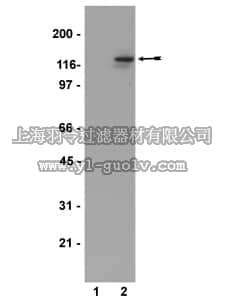 merck millipore,默克密理博,07-211,Anti-phospho-Met (Tyr1234/1235) Antibody
 merck millipore,默克密理博,20-105,Malachite Green Solution A
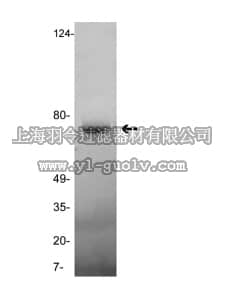 merck millipore,默克密理博,05-860,Anti-Vitronectin Antibody, clone GMA-900
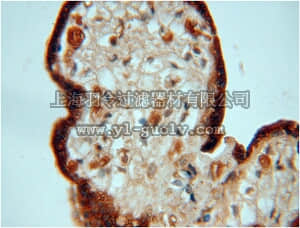 merck millipore,默克密理博,ABC284,Anti-PDCL Antibody
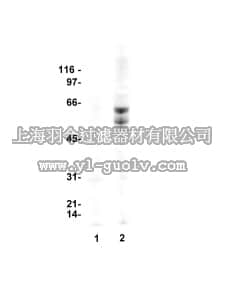 merck millipore,默克密理博,16-226,Anti-Nitrotyrosine Antibody, clone 1A6, Alexa Fluor 488 conjugate
merck millipore,默克密理博,69026,T7•Tag Antibody Agarose
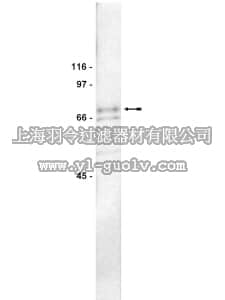 merck millipore,默克密理博,07-264,Anti-PKC ζ Antibody
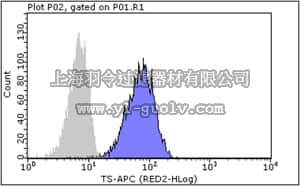 merck millipore,默克密理博,FCMAB382APC,Milli-Mark Anti-Thymidylate Synthase-APC Antibody, clone TS106
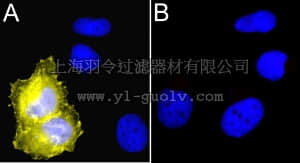 merck millipore,默克密理博,16-225,Anti-Myc Tag Antibody, clone 4A6, Alexa Fluor 555 conjugate
 merck millipore,默克密理博,200496,Betacellulin, Human, Recombinant