


- 当前位置:首页 > >Merck Millipore > 生命科学研究
- 生命科学研究
-

-
merck millipore,默克密理博,MAB1277,Anti-Nucleoli Antibody, clone 125-10
产品名称:Anti-Nucleoli Antibody, clone 125-10
产品型号:MAB1277
Detect Nucleoli with Anti-Nucleoli Antibody, clone 125-10 (Mouse Monoclonal Antibody), that has been shown to work in IHC & IF.
merck millipore,默克密理博,MAB1277,Anti-Nucleoli Antibody, clone 125-10
- 产品介绍
重要规格表
品种反应性 主要应用 宿主 格式 抗体类型 H IHC M Purified Monoclonal Antibody 描述 产品目录编号 MAB1277 品牌系列 Chemicon®
商名 - Chemicon
描述 Anti-Nucleoli Antibody, clone 125-10 产品信息 格式 Purified 演示 Hybridoma supernatant, concentrated by ammonium sulfate. Buffer: PBS with 0.1% sodium azide. 应用 应用 Detect Nucleoli with Anti-Nucleoli Antibody, clone 125-10 (Mouse Monoclonal Antibody), that has been shown to work in IHC & IF. 主要应用 - Immunohistochemistry
应用说明 Indirect immunofluorescence: 1:20-1:30. Use 30-100 μl per well/slide. Optimal working dilutions must be determined by the end user.
Subcellular Particle
Suggested Protocol
IMMUNOFLUORESCENCE AND ANTIBODY SCREENING PROCEDURE
Hybridoma supernatants are examined by indirect immunofluorescence on cell preparations of human lymphnoid cells. In order to examine many samples in a short period of time, washed cells (wash 2 times in wash buffer at 4°C) at a concentration of 5 x 10⁶ cells/mL in PBS are pipetted dropwise on PTFE coated printed microscope slides containing ten 5 mm wells/slide. After the cells are allowed to settle to the surface of the glass (10-15 minutes only), the overlying fluid is quickly removed by aspiration and the cells are dried to the slide by a gentle stream of warm air. The slides are then immediately fixed in 2% formaldehyde, ultra-pure, in PBS for 15 minutes at room temperature. After fixation, the slides are rinsed in PBS and placed in acetone at -20°C for 3 minutes to make the cells permeable. After a final rinse in PBS to remove the acetone, the slides are stored in PBS at 4°C indefinitely in covered Coplan jars.
In addition to the lymphnoid cultures, normal human epithelial cells can be screened by indirect immunofluorescence microscopy for positive reactions with the hybridoma supernatants. Since the human epithelial cells grow as monolayer cultures, they are plated directly onto the printed microscope slides after trypsinization and allowed to attach and grow overnight at 37°C in complete medium. The following day, the slides are briefly rinsed in PBS to remove the medium and the cells are fixed as described above. In general, the slides are not allowed to air dry either during or after the fixation procedure in order to maintain the cellular integrity and antigenicity of intracellular molecules.
For photographic analysis, viable cell preparations obtained from Ficoll™-hypaque gradient separations are cytocentrifuged directly onto slides at 1250 rpm for 10 minutes. This procedure flattens the lymphnoid cells and greatly improves the visibility of intranuclear and cytoplasmic antigens. Slides prepared in this manner are fixed in the same way directly after cytocentrifugation.
In order to screen the hybridoma supernatants by indirect immunofluorescence, 30-100 μL of each supernatant (optimize for each individual assay) are pipetted on a well of the printed microscope slides using a different tip for each supernatant. After 60 minutes of incubation at 37°C in a humidified chamber, the slides are rinsed 3 times with PBS at room temperature, and again incubated for 30 minutes at 37°C with 20 μL of a 1:20 dilution of fluorescein-conjugated goat anti-mouse IgG antibody (Millipore AP124F). The slides are then prepared rinsed 3 times with PBS, counterstained with Evans Blue for 5 minutes at room temperature using a freshly prepared solution containing 50 μL of a 1% stock solution of Evans Blue in 80 mL of PBS, rinsed a final time in PBS, and coverslipped using a 1:1 solution of glycerol: PBS. The slides are then examined by epifluorescence microscopy. Since many of the monoclonal antibodies produced a rapidly diminishing fluorescent reaction, exposure times optimally are less than five seconds.
Important Note: During shipment, small volumes of antibody will occasionally become entrapped in the seal of the product vial. For antibodies with volumes of 200 μl or less, we recommend gently tapping the vial on a hard surface or briefly centrifuging the vial in a tabletop centrifuge to dislodge any liquid in the container's cap.生物信息 免疫原品种 Human Raji cell nuclei 克隆 125-10 宿主 Mouse 特异性 Gives diffuse nucleolar staining pattern on all human cell types. 同种型 IgG1 品种反应性 Human 抗体类型 Monoclonal Antibody 产品使用声明 使用声明 - Unless otherwise stated in our catalog or other company documentation accompanying the product(s), our products are intended for research use only and are not to be used for any other purpose, which includes but is not limited to, unauthorized commercial uses, in vitro diagnostic uses, ex vivo or in vivo therapeutic uses or any type of consumption or application to humans or animals.
储存和货运信息 存储条件 Maintain at -20°C in undiluted aliquots for up to 12 months. Avoid repeated freeze/thaw cycles. 包装信息 数量 100 µL
上一件merck millipore产品:merck millipore,默克密理博,AB4340,Anti-Zscan4 Antibody
下一件merck millipore产品:merck millipore,默克密理博,AB1508,Anti-Glutamate Receptor 4 Antibody
相关产品
 merck millipore,默克密理博,14-804M,Met (Y1248H) Protein, active, 250 µg
 merck millipore,默克密理博,FCMAB285F,Milli-Mark™ Anti-Achaete Scute homolog 2 Antibody, clone 7E2
 merck millipore,默克密理博,391335,BIS-Tris, ULTROL Grade - CAS 6976-37-0 - Calbiochem
merck millipore,默克密理博,14-657,DAPK2 Protein, active, 10 µg
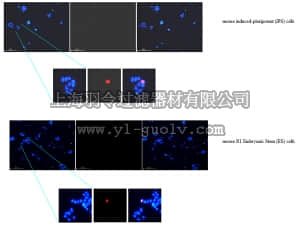 merck millipore,默克密理博,AB4340,Anti-Zscan4 Antibody
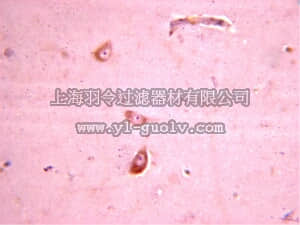 merck millipore,默克密理博,AB1508,Anti-Glutamate Receptor 4 Antibody
 merck millipore,默克密理博,217620,Anti-CD64 Mouse mAb (10.1)
 merck millipore,默克密理博,LSKMAG1CBX10,PureProteome™ 1.0µm Carboxy FlexiBind Magnetic Bead System
merck millipore,默克密理博,AG383,Capsaicin Receptor Control Peptide for AB5889
merck millipore,默克密理博,05-269,Anti-Ryanodine Receptor Antibody, clone XA7B6, skeletal muscle