- 当前位置:首页 > >Merck Millipore > 生命科学研究
- 生命科学研究
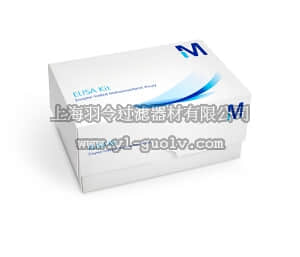
- 产品介绍
重要规格表
可用的分析物 品种反应性 主要应用 检测方法 sICAM-1 H ELISA Chromogenic 描述 产品目录编号 ECM335 品牌系列 Chemicon®
商名 - Chemicon
描述 Human sICAM-1 ELISA 概述 Intercellular Adhesion Molecule-1 (ICAM-1) is a member of the immunoglobulin supergene family [Rothlein et al., 1988] and functions as a ligand for integrin alphaLbeta2 or Lymphocyte Function-Associated Antigen-1 (LFA-1), a member of the leukocyte integrin family [Marin & Springer 1987] which mediates lymphocyte adhesion.
ICAM-1 is a single-chain glycoprotein with a polypeptide core of 55kDa expressed on non-hematopoietic cells of many lineages including vascular endothelial cells, thymic epithelial cells, other epithelial cells and fibroblasts, and on hematopoietic cells such as tissue macrophages, mitogen-stimulated T-lymphoblasts, germinal center B-cells and the dendritic cells from tonsils, lymph nodes and Peyer's patches. ICAM-1 is inducible on fibroblasts and endothelial cells by the inflammatory mediators IL-1, TNF and IFN-gamma. Its presence correlates with infiltration of lymphocytes into inflammatory lesions [Dustin et al., 1989; Prober et al., 1986; Rothlein et al., 1986]. ICAM-1 seems to be the initial marker of inflammatory reactions and is expressed prior to and to a greater extent than HLA-DR.
The role of ICAM-1 as a disease marker has been demonstrated for a number of different pathologies, including allergic rhinitis, allergic contact dermatitis [Vejlsgaard et al. 1989], gastrointestinal and bladder cancer, lymphoproliferative disorders [Lal et al., 1992; Rothlein et al., 1991], melanoma [Altomone et al., 1992; Becker et al., 1992; harning et al., 1991], HIV-1 infection [Most et al., 1993], malaria, tissue or organ transplant rejection [Adams et al., 1989; Adams et al., 1993], diabetes mellitus [Lampeter et al., 1992], glomerulonephritis, asthma [Wegner et al., 1990], rheumatoid arthritis [Popocnik et al., 1990] and psoriasis [Lisby et al., 1989].
A panel of 50 sera from healthy blood donors (male and female) was tested for sICAM-1. The detected sICAM levels ranged between 129.9 and 297.4 ng/ml with a mean of 230.3 ng/ml and a standard deviation of 47.4 ng/ml. Normal sICAM-1 levels may vary depending on the serum collective used ranging up to 400ng/ml or greater. Depending upon the study population ranges from 219ng/ml to 1050ng/ml have been reported in the literature.
Analytical Sensitivity and Detection Limits:
Sensitivity:3.3 ng/mL
Range of Detection: 6.25-100 ng/mL
Intra-Assay Variation:4.1%
Inter-Assay Variation:7.7%
Recovery:98.6% average
Assay Time: 75 minutes
Crossreactivity: no interference from soluble TNF-R (60 or 80 kDa), IL-8/NAP-1, TNF-alpha, TNF-beta, IFN-gamma, IFN-alpha2C, IFN-w, IL-6, IL-2R, E-selectin-1 or L-selectin-1.
The ICAM-1 ELISA is an enzyme-linked immunosorbent assay for quantitative detection of soluble Intercellular Adhesion Molecule-1 in cell culture supernatants, serum, plasma, or other biological fluids. The ICAM-1 ELISA is for research use only. Not for use in diagnostic procedures.
Test Principle:
An anti-ICAM-1 monoclonal antibody is adsorbed onto microwells. The pair of monoclonal antibodies use in this ELISA assay detect the soluable form of ICAM-1 present in serum, plasma or other biological fluids.
Soluble ICAM-1 present in a sample or standard then binds to antibodies adsorbed to the microwells. A second, HRP-conjugated monoclonal anti-ICAM-1 antibody is added and binds to ICAM-1 captured by the first antibody.
Unbound enzyme-conjugated anti-ICAM-1 is removed with a wash step and HRP substrate solution is added to the wells.
An amount of colored product is formed, proportional to the amount of soluble ICAM-1 present in the sample. The reaction is terminated by addition of acid and absorbance is measured at 450nm. A standard curve is prepared from five ICAM-1 standard dilutions and the ICAM-1 sample concentration is determined.
Application:
The ICAM-1 ELISA is an enzyme-linked immunosorbent assay for quantitative detection of soluble Intercellular Adhesion Molecule-1 in cell culture supernatants, serum, plasma, or other biological fluids. The ICAM-1 ELISA is for research use only. Not for use in diagnostic procedures.Alternate Names - CD54
产品信息 部件 - · 1 vial (0.1 mL) HRP-Conjugated Anti-ICAM-1 Monoclonal (murine) Antibody
- · 2 vials (0.5 mL each) 100 ng/mL soluble ICAM-1 Standard
- 1 vial lyophilized control (high).
- 1 vial lyophilized control (low).
- · 1 bottle (50 mL) Wash Buffer Concentrate 20X (PBS with 1% Tween 20)
- · 1 vial (5 mL) Assay Buffer Concentrate 20X (PBS with 2% Tween 20 and 10% BSA)
- · 1 bottle (12 mL) Sample Diluent (buffered protein matrix)
- · 1 vial (15 mL) Substrate Solution
- · 1 vial (15 mL) Stop Solution (1M Phosphoric Acid)
- · 1 Microwell Strip Holder
- · 2 Adhesive Plate Covers
- · 1 aluminum pouch with Microwell plate coated with Monoclonal Antibody (murine) to human ICAM-1
检测方法 Chromogenic 应用 应用 This Human sICAM-1 ELISA is used to measure & quantify sICAM-1 levels in Inflammation & Immunology & Neuroscience research. 主要应用 - ELISA
生物信息 品种反应性 Human 可用的分析物 - sICAM-1
Entrez基因编号 - NM_000201.1
Entrez基因汇总 ICAM1 (CD54) is typically expressed on endothelial cells and cells of the immune system. ICAM1 binds to integrins of type CD11a / CD18, or CD11b / CD18. ICAM1 is also exploited by Rhinovirus as a receptor. 基因符号 - ICAM-1
- ICAM1
- P3.58
- BB2
- CD54
UniProt编号 - P05362
UniProt汇总 FUNCTION: SwissProt: P05362 # ICAM proteins are ligands for the leukocyte adhesion protein LFA-1 (integrin alpha-L/beta-2). In case of rhinovirus infection acts as a cellular receptor for the virus. Also acts as receptor for some coxsackieviruses.
SIZE: 532 amino acids; 57825 Da
SUBUNIT: Interacts with human herpesvirus 8 MIR2 protein (Probable).
SUBCELLULAR LOCATION: Membrane; Single-pass type I membrane protein.
PTM: Monoubiquitinated, which is promoted by MARCH9 and leads to endocytosis.
SIMILARITY: SwissProt: P05362 ## Belongs to the immunoglobulin superfamily. ICAM family. & Contains 5 Ig-like C2-type (immunoglobulin-like) domains.产品使用声明 使用声明 - Unless otherwise stated in our catalog or other company documentation accompanying the product(s), our products are intended for research use only and are not to be used for any other purpose, which includes but is not limited to, unauthorized commercial uses, in vitro diagnostic uses, ex vivo or in vivo therapeutic uses or any type of consumption or application to humans or animals.
储存和货运信息 存储条件 Store kit reagents, except the control, between 2° and 8°C. Store the lyophilized control at -20°C. Immediately after use remaining reagents should be returned to cold storage (2° to 8°C) with the exception of reconstituted control (-20°C). Expiration date of the kit is stated on outside label.
Precautions:
· Reagents are intended for research use only and are not for use in diagnostic or therapeutic procedures.
· Do not mix or substitute reagents with those from other lots or other sources.
· Do not use kit reagents beyond expiration date on label.
· Do not expose kit reagents to strong light during storage or
incubation.
· Rubber or disposable latex gloves should be worn while handling kit reagents or specimens.
· Some reagents contain thimerosal as preservative, which is highly toxic by inhalation, ingestion, or contact with skin. Thimerosal is a possible mutagen and should be handled accordingly.
· Avoid contact of substrate solutions with oxidizing agents and metal.
· In order to avoid microbial contamination or cross-contamination of reagents or specimens which may invalidate the test use disposable pipette tips and/or pipettes.
· Use clean, dedicated reagent trays for dispensing the conjugate and substrate reagents.
· Exposure to acids will inactivate the conjugate.
· Glass-distilled water or deionized water must be used for reagent
preparation.
· Substrate solutions must be at room temperature prior to use.
· Since exact conditions may vary from assay to assay, a standard
curve must be established for every run.
· Bacterial or fungal contamination of either screen samples or reagents or cross-contamination between reagents may cause erroneous results.
· Disposable pipette tips, flasks or glassware are preferred. Reusable glassware must be washed and thoroughly rinsed of all detergents before use.
· Improper or insufficient washing at any stage of the procedure will result in either false positive or false negative results. Completely empty wells before dispensing fresh Wash Buffer, fill with Wash Buffer as indicated for each wash cycle and do not allow wells to sit uncovered or dry for extended periods.
· The use of radioimmunotherapy has significantly increased the number of patients with human anti-mouse IgG antibody (HAMA). HAMA may interfere with assays utilizing murine monoclonal antibodies leading to both false positive and false negative results. HAMA interference can be reduced by adding murine immunoglobulins (serum, ascitic fluid, or monoclonal antibodies of irrelevant specificity) to the Sample Diluent.包装信息 数量 1 kit
上一件merck millipore产品:merck millipore,默克密理博,ABE586,Anti-TGFB2-Specific Antibody
下一件merck millipore产品:merck millipore,默克密理博,HTS084RTA,Ready-to-Assay™ BB2 Bombesin Receptor Frozen Cells
相关产品
![merck millipore,默克密理博,04-1060,Anti-Integrin beta3A [CD61] Antibody, clone EPR2417Y, rabbit monoclonal](/e/upload/m_pic/04-1060_IHP%5B04-1060_IHP-ALL%5D.jpg "merck millipore,默克密理博,04-1060,Anti-Integrin beta3A [CD61] Antibody, clone EPR2417Y, rabbit monoclonal")
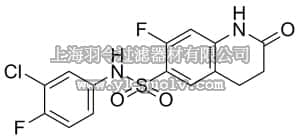 merck millipore,默克密理博,550601,Pyruvate Kinase Activator - Calbiochem
 merck millipore,默克密理博,SCC035,Human iPSC Derived Neural Progenitors
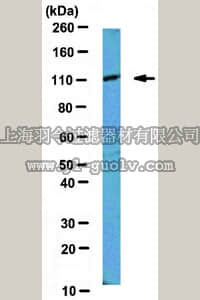 merck millipore,默克密理博,ABE278,Anti-MILI Antibody
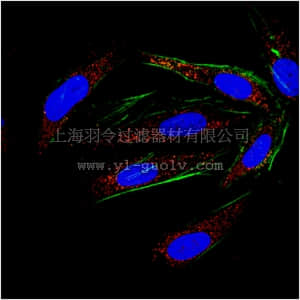 merck millipore,默克密理博,ABE586,Anti-TGFB2-Specific Antibody
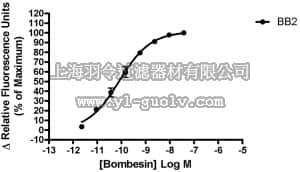 merck millipore,默克密理博,HTS084RTA,Ready-to-Assay™ BB2 Bombesin Receptor Frozen Cells
 merck millipore,默克密理博,AB3209,Anti-Oct-4 Antibody
 merck millipore,默克密理博,14-741M,CHK2 (I157T), active
 merck millipore,默克密理博,580217,Taurocholic Acid, Sodium Salt - CAS 145-42-6 - Calbiochem